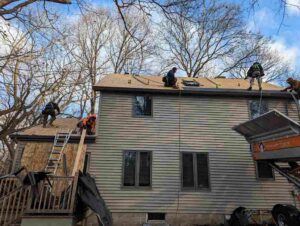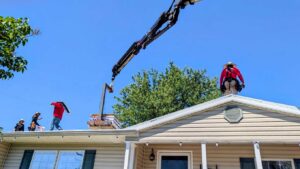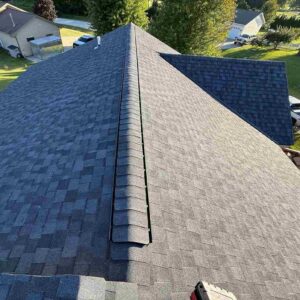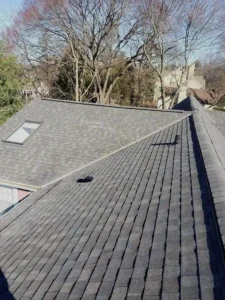
You should schedule a roof inspection at least once a year, but most homeowners benefit from twice-a-year inspections plus checks after major storms. This approach helps you stay ahead of damage, support proper roof maintenance, and avoid costly repairs. When done consistently, inspections become part of a long-term strategy that protects your home and reduces the need for major roofing services later on.
Quick Decision Summary
- Schedule a roof inspection twice a year for the best results
- Perform additional checks after storms or strong winds
- Consistent roof maintenance helps extend roof lifespan
- Small issues found early reduce the need for major roofing services
- Professional inspections provide deeper insights than DIY checks
Why Regular Roof Inspection and Maintenance Matter
A roof is easy to forget about until something goes wrong. The problem is that roofing issues rarely start big. They begin as small cracks, loose shingles, or minor leaks that grow over time.
Routine roof inspection plays a key role in preventing these problems. It allows you to identify wear and tear early, before water damage spreads into your attic, insulation, or walls. Combined with proper roof maintenance, inspections help preserve your roof’s structure and performance for years.
Most roofs can last anywhere from 25 to 50 years depending on the material and upkeep. Regular attention is one of the biggest factors that determines where your roof falls within that range.
How Often Should You Schedule a Roof Inspection?
A consistent schedule helps ensure your roof stays in good condition and prevents small issues from becoming costly problems.
Standard Recommendation
For most homes, this schedule works well:
- Twice per year: Spring and fall
- After severe weather: Heavy rain, hail, or strong winds
- Before buying or selling a home
- More frequently for older roofs
This routine ensures that seasonal changes do not silently damage your roof. Spring inspections catch winter wear, while fall inspections prepare your home for colder months.
Inspection Frequency by Roof Type
Not all roofs age the same way. Your inspection schedule should reflect your roofing material.
| Roof Type | Lifespan | Roof Inspection Frequency | Maintenance Needs |
| Asphalt shingles | 25 to 30 years | 1 to 2 times per year | Regular checks for cracks and missing shingles |
| Metal roofing | 40 to 70 years | Once per year | Monitor for rust and fastener issues |
| Clay or concrete tiles | 50+ years | Once per year | Check for shifting or cracked tiles |
| Flat roofs | 20 to 40 years | 2 to 3 times per year | Watch for pooling water and membrane wear |
| Wood shingles | 20 to 30 years | 2 times per year | Requires consistent roof maintenance to prevent rot |
Understanding your roof type helps you avoid under-inspecting or over-maintaining.
Signs You Need a Roof Inspection Right Away
Even with a set schedule, certain warning signs should never be ignored.
Look out for:
- Water stains on ceilings or walls
- Missing, cracked, or curling shingles
- Sagging areas on the roof
- Moss or algae buildup
- Granules collecting in gutters
These are clear indicators that your roof needs immediate attention and possibly professional roofing services.
DIY Roof Inspection vs Professional Roofing Services
DIY Roof Inspection
Homeowners can perform basic checks safely:
- Inspect from the ground using binoculars
- Look for visible damage or debris
- Check attic spaces for moisture or leaks
DIY inspections are helpful for routine monitoring but may miss deeper issues.
Professional Roofing Services
Hiring professionals provides a more detailed and reliable assessment:
- Structural and material evaluation
- Flashing and sealing inspection
- Ventilation and drainage analysis
- Detection of hidden moisture damage
Professional roofing services are especially important after storms or if your roof is aging.
Seasonal Roof Maintenance Checklist
A structured checklist makes roof maintenance easier and more effective.
Spring Roof Inspection
- Check for winter damage
- Replace missing shingles
- Clean gutters and downspouts
Summer Maintenance
- Look for heat-related wear
- Inspect attic ventilation
- Check for UV damage
Fall Roof Inspection
- Remove leaves and debris
- Inspect flashing and seals
- Prepare for colder weather
Winter Monitoring
- Watch for ice dams
- Check for heavy snow buildup
This seasonal approach keeps your roof in good condition year-round.
How Roof Maintenance Reduces Long-Term Costs
Ignoring regular roof maintenance often leads to expensive repairs. A small leak can quickly turn into structural damage if left untreated.
Consistent inspections help you avoid:
- Full roof replacements
- Interior water damage repairs
- Mold and mildew issues
- Structural deterioration
Investing in routine roof inspection and minor fixes is far more affordable than dealing with major damage later.
When to Call for Roofing Services
There are times when professional help is the smarter option.
You should consider expert roofing services if:
- You notice active leaks
- Your roof is over 15 years old
- Storm damage is suspected
- You are preparing to sell your home
Professional evaluations give you clarity on whether you need repairs, maintenance, or replacement.
A Practical Approach to Roof Care
Maintaining a roof is not about reacting to problems. It is about staying ahead of them.
A consistent roof inspection schedule, combined with proactive roof maintenance, keeps your home protected through changing seasons. It also helps you avoid unnecessary stress and unexpected expenses.
Companies like Elegant Exterior take a full-system approach to inspections, looking beyond surface damage to evaluate ventilation, drainage, and long-term durability. This kind of comprehensive care ensures your roof continues to perform the way it should.
Frequently Asked Questions
How much does a roof inspection usually cost?
Costs vary depending on your location and roof size, but many basic inspections are affordable, and some companies offer them as part of maintenance packages.
Is roof maintenance really necessary if there are no visible issues?
Yes. Many roofing problems develop underneath the surface. Routine roof maintenance helps catch hidden issues early.
Can roofing services extend the life of my roof?
Yes. Professional roofing services such as repairs and maintenance can significantly extend the lifespan of your roof.
How do I know if my roof has storm damage?
Signs include missing shingles, dents, leaks, or debris buildup. A professional roof inspection can confirm the extent of damage.
Should I inspect my roof after every storm?
It is a good idea to check your roof for visible damage after every storm and schedule a professional roof inspection to ensure everything is in proper condition.