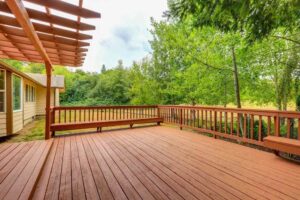
The best time to install a deck in Wisconsin depends on weather, contractor availability, material performance, and how soon you want to use the space. While decks can be built in most months of the year, each season comes with advantages and limitations that affect cost, timelines, and long-term results. This seasonal guide explains how deck installation works throughout the year so homeowners can choose the timing that fits their goals, budget, and lifestyle.
Quick Decision Summary
- Spring and early fall are often ideal for deck installation due to stable weather
- Summer allows faster construction but usually comes with higher demand
- Winter deck projects are possible but limited by weather and ground conditions
- Material choice and design complexity affect seasonal flexibility
- Planning ahead gives homeowners more control over scheduling and costs
Why Timing Matters for Deck Installation in Wisconsin
Wisconsin’s climate has a direct impact on how decks are built, how long construction takes, and how smoothly the process runs. Seasonal conditions affect both the technical side of deck installation and overall scheduling efficiency.
- Temperature changes influence material expansion, curing times, and working conditions
- Frost depth and frozen ground affect excavation and footing installation
- Rainfall and snow can delay construction and limit site access
- Seasonal demand impacts contractor availability and project timelines
- Planning around weather patterns helps reduce delays and mid-project adjustments
Spring: A Popular and Balanced Choice
Spring is one of the most popular seasons for deck installation in Wisconsin. As temperatures rise and the ground begins to thaw, construction conditions improve quickly.
Advantages of spring deck installation
- Moderate temperatures are easier on materials and construction crews
- Thawed ground allows for proper footing excavation
- Construction can begin before peak summer demand
- Decks are typically ready for use during the summer months
Things to consider: Demand increases quickly in spring, especially after winter. Scheduling early is important, as builder availability can fill up fast. Rainy periods may also cause short delays.
Spring works well for homeowners who want their decks ready for peak outdoor use while avoiding the highest summer demand.
Summer: Fast Builds but Higher Demand
Summer is the busiest season for deck installation. Long days and consistently warm weather allow crews to work efficiently and complete projects quickly.
Advantages of summer deck installation
- Predictable weather allows construction to move faster
- Dry ground conditions reduce weather-related delays
- Crews can work longer hours due to extended daylight
- Decks are completed in time for immediate outdoor use
Things to consider: High demand can lead to tighter schedules and potentially higher costs. Contractors may have limited availability, and popular materials may require longer lead times.
Summer is a good option for homeowners who prioritize speed and are flexible with scheduling.
Fall: Ideal Conditions for Quality Construction
Fall is often considered the best season for deck installation in Wisconsin. Cooler temperatures and lower humidity create excellent working conditions.
Advantages of fall deck installation
- Stable temperatures support precise construction and consistent workmanship
- Lower humidity helps with proper material handling and fastening
- Builders often have greater availability after the summer peak
- Increased scheduling flexibility allows for better project planning
Things to consider: Shorter daylight hours and early cold snaps can limit late-season projects. Starting earlier in the fall helps avoid weather-related interruptions.
For homeowners planning ahead, fall offers a balance of quality, availability, and pricing.
Winter: Possible but Limited
While less common, winter deck installation is possible under certain conditions. Advances in tools and materials allow some construction tasks to continue during colder months.
Advantages of winter deck installation
- Lower demand can make scheduling more flexible
- Planning and design work can move forward without seasonal pressure
- Builders may have greater availability for consultations and prep work
- Early planning allows projects to start quickly when weather improves
Things to consider: Frozen ground makes excavation difficult, and snow or extreme cold can delay work. Concrete footings may require special methods, increasing complexity.
Winter is best suited for planning, permitting, or partial projects rather than full deck construction.
Deck Installation by Season: A Comparison
| Season | Pros | Cons | Best For |
| Spring | Moderate weather, summer-ready decks | High demand, rain delays | Early planners |
| Summer | Fast construction, dry conditions | Limited availability, higher demand | Quick builds |
| Fall | Stable temperatures, better scheduling | Shorter days, early cold | Quality-focused builds |
| Winter | Lower demand, planning flexibility | Weather limitations | Design and prep work |
How Material Choice Affects Seasonal Timing
The materials selected for home decks play an important role in determining when deck installation can be done most effectively. While many deck types can be built in different seasons, certain materials perform better under specific conditions.
- Pressure-treated lumber adapts well to most seasons, though moisture content should be monitored
- Composite decking remains stable across temperature changes but requires careful handling in extreme heat or cold
- Framing and structural components are still affected by ground conditions regardless of decking material
- Footing installation is limited by frost depth and soil conditions
Selecting materials early helps align the construction timeline with seasonal constraints
Planning Ahead to Avoid Delays
Successful deck installation starts with early planning. Design decisions, permitting, and material selection should ideally be finalized before the preferred construction season begins. This reduces rushed decisions and scheduling conflicts.
Homeowners who plan several months ahead often have more options and better control over timelines, especially during high-demand seasons.
Working With an Experienced Deck Builder
Timing is easier to manage with a builder who understands Wisconsin’s seasonal challenges. Experienced contractors know how weather affects excavation, framing, and finishing, and can adjust schedules accordingly.
Companies like Elegant Exteriors of Wisconsin work with homeowners to plan deck installation around local conditions and seasonal realities. Having a builder familiar with Wisconsin climates helps ensure decks are built to last, regardless of when construction begins.
Frequently Asked Questions
Can deck installation be done during rainy seasons?
Yes, but heavy or prolonged rain may cause short delays, especially during excavation and footing work.
Is it cheaper to build decks in the off-season?
In some cases, pricing may be more flexible outside peak seasons, though weather limitations still apply.
How long does deck installation usually take?
Most decks take one to three weeks to complete, depending on size, design, and weather conditions.
Do permits affect seasonal timing?
Yes. Permit approval timelines vary by municipality and should be factored into project planning.
Can I start planning in winter for a spring build?
Absolutely. Winter is an excellent time for design, budgeting, and securing permits so construction can begin as soon as conditions allow.